


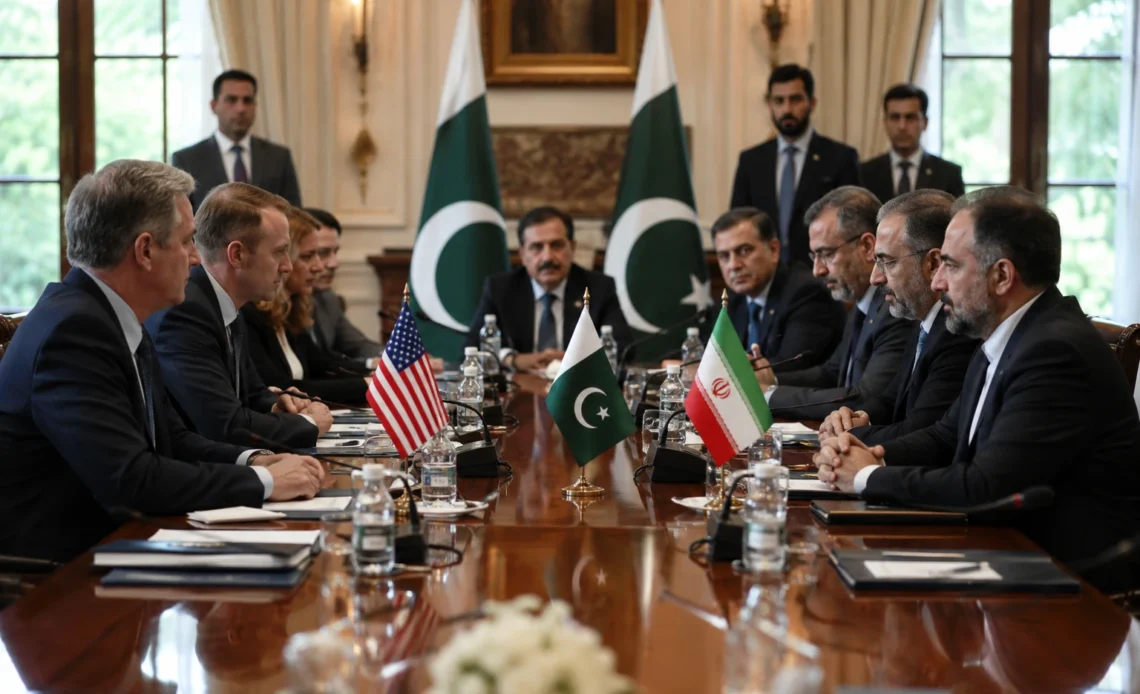
Tensions between Iran and the United States may be entering a new diplomatic phase after reports that Iran has officially responded to a U.S. proposal aimed at ending the ongoing conflict. According to Iranian state media, the response was delivered through Pakistan, which is acting as an intermediary between the two sides.
The development signals a possible shift from escalation toward structured negotiations, with an immediate focus on ending hostilities and ensuring regional maritime safety.
Iran’s Official Response
Iranian news agencies, including IRNA and ISNA, report that Tehran’s reply centers on a limited but critical agenda:
- Ending the current conflict or military confrontation
- Ensuring the safety and stability of maritime traffic in the Persian Gulf
- Securing the Strait of Hormuz, one of the world’s most important energy routes
The message suggests that Iran is prioritizing de-escalation and stability in the region before addressing broader political or strategic disputes.
“Ending the War First” Approach
According to reports, Iran has stated that current negotiations should primarily focus on stopping the conflict before moving into wider political discussions.
This approach suggests:
- A push for immediate ceasefire conditions
- Separation of military de-escalation from long-term political negotiations
- A phased diplomatic process rather than a comprehensive instant agreement
In other words, Iran appears to want stability first, and broader negotiations later.
Role of Pakistan in Mediation
Pakistan is reportedly acting as a communication channel between Washington and Tehran. This indirect diplomacy highlights the sensitivity of direct U.S. Iran engagement and the need for neutral intermediaries.
Such backchannel diplomacy often plays a crucial role in:
- Preventing misunderstandings
- Delivering formal proposals safely
- Maintaining dialogue during high tensions
What This Means Going Forward
While the situation remains uncertain, the development could indicate:
- A possible step toward de escalation
- Continued focus on diplomacy rather than direct confrontation
- Ongoing negotiations behind the scenes
However, major disagreements between the two sides are still expected to remain unresolved at this stage.
Conclusion
Iran’s response to the U.S. proposal, delivered via Pakistan, highlights a narrow but significant diplomatic opening. With both sides now discussing the possibility of ending the conflict and stabilizing maritime routes, the coming days could be crucial in determining whether tensions ease or continue to escalate.
.
