


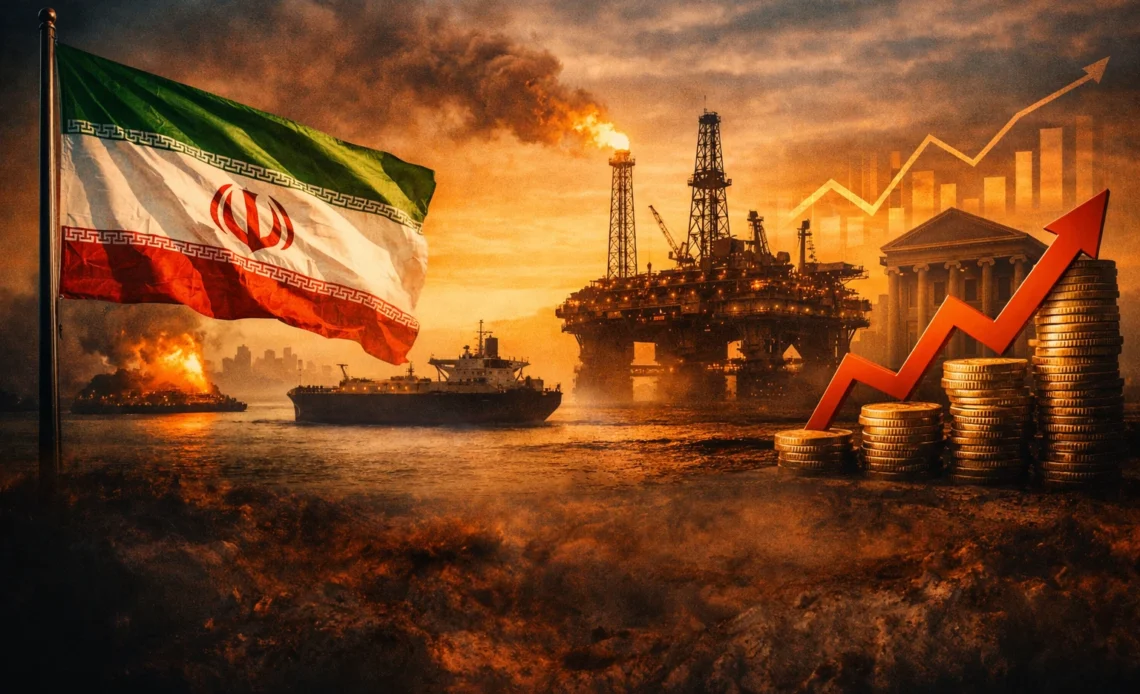
Global financial markets are once again on edge as geopolitical tensions surrounding Iran begin to ripple through the world economy. What initially appeared to be a regional conflict is now influencing one of the most critical forces in finance interest rate expectations.
Traders across major markets are rapidly adjusting their positions, betting that central banks may need to raise interest rates again. The reason is simple: rising uncertainty is bringing back the fear of inflation.
The Iran Factor
Iran plays a crucial role in global energy markets. Any instability in the region especially near key oil routes like the Strait of Hormuz can disrupt supply and send oil prices sharply higher.
When oil prices rise, the impact is immediate and widespread. Transportation becomes more expensive, production costs increase, and everyday goods from food to fuel start to cost more. This creates a ripple effect across the entire global economy.
Inflation Fears Return
For much of the past year, central banks had been cautiously optimistic that inflation was finally coming under control. There were even expectations that interest rates might soon be cut to support economic growth.
However, the renewed uncertainty linked to Iran has changed that outlook.
Higher energy prices threaten to push inflation back up, undoing much of the progress made. As a result, markets are no longer confident that inflation will continue to fall.
Central Banks Back in Focus
Central banks, such as the Federal Reserve and the European Central Bank, have one primary goal: keep inflation stable.
When inflation rises, their most powerful tool is increasing interest rates. Higher rates make borrowing more expensive, reduce spending, and ultimately slow down price increases.
Now, instead of expecting rate cuts, traders are increasingly betting that central banks may be forced to tighten policy once again.
What It Means for
These developments are not just limited to traders and economists. They have real world consequences:
- Loans and mortgages could become more expensive
- Businesses may face higher operating costs
- Consumers could see rising prices for everyday goods
The return of inflation fears means the cost of living could increase once again.
Conclusion
The situation in Iran is a reminder of how quickly global events can reshape economic expectations. What began as geopolitical uncertainty has now evolved into a financial concern with global implications.
As traders increase their bets on interest rate hikes, one thing becomes clear: the fight against inflation may not be over yet.
Markets will continue to watch closely, knowing that the next move by central banks could define the direction of the global economy in the months ahead.
